



1. Processes of Logical Thinking
The process of logical thinking occurs in the brain and influences our decisions. The brain can be seen as a computer that processes information and limits our responses. When faced with temptations, this process plays an important role in our decision to confront them or avoid them.
This process is subject to many factors and varies according to our mood, backgrounds, and external influences. Therefore, it is important to understand how this process works and how we can manage it more efficiently.

The process includes various stages, such as identifying the temptation, analyzing the possible outcomes of a certain action, and choosing the most appropriate decision for the situation. This process can be made more efficient by training and conditioning the brain to operate in a more logical and rational manner.
Fortunately, there are techniques and methods that can help us improve our process of logical thinking. We just need to be open to learning and specialize in using them in order to make more reasoned and successful decisions in the face of temptations and external pressures.
2. Psychology of Emotions
Emotions are an important part of human life and they influence every aspect of our lives. In this article, we focus on the psychology of emotions and how they impact our temptations and decisions.
Emotions play a crucial role in the process of temptation. When we feel a strong desire to do something, such as eating unhealthy food or buying unnecessary products, our emotions influence our decision. Most of the time, these emotions ignore their true influence and lead us to act in a way that can later make us feel regret and sorrow.
The psychology of emotions teaches us how to identify different emotions and manage them in a healthy way. When we understand the source and influence of our emotions, we are able to make more reasoned decisions and avoid actions that may harm ourselves.
Temptation is part of life and part of being human
Aharon Golan – Clinical Psychologist

When we persist in an action that is a result of negative emotions, such as anger or regret, we succumb to temptation and fail to cope with the situation in a healthy way. In order to effectively deal with temptations, it is important to learn to identify our emotions and manage them in a healthy and constructive way.
Understanding the psychology of emotions helps us understand how the brain works and how we can control emotions to make correct decisions and avoid irrational actions. Focusing on emotions and their psychology can lead to a significant improvement in the quality of our lives and help us cope with temptations in a healthy and efficient manner.
3. Techniques of Consciousness Management
When it comes to temptation, consciousness management is particularly important. By understanding how the brain works and how we can control our desires and decisions, we can gain better control over the temptations that arise within us.
When we understand the mechanism of unconscious thinking and the sub-conscious activity of the brain, we can use common techniques to manage our consciousness and influence our desires positively.
One of the common techniques is meditation, which helps us focus our attention on a specific moment and address the emotions and thoughts that arise within us. This way, we can better understand our internal processes and act accordingly.
Another technique is mindfulness practice, where we practice identifying moments when we begin to feel temptation and try to change our imagination and focus our attention on other things that can distract us from temptation.
Ultimately, consciousness management techniques are powerful tools to improve control over temptations and our decisions. We need to be aware of our desires and learn how to control them clearly and consciously in order to achieve positive results in our lives and relationships.
Influence of Environment on Decisions
The influence of the environment on decisions is a deep psychological phenomenon that affects each one of us on a daily basis. Our brain receives a wide variety of clues and stimuli from the surrounding environment, and sometimes we are not aware of their influence on the decisions we make.
The brain operates in an intriguing and complex way to determine whether to accept or reject a certain decision. The environment influences our decisions through a wide variety of ways, and to understand how environmental influence affects decisions, we need to understand the thinking processes of the brain.
When we face difficult situations or situations where we have to make important decisions, our brain uses a wide range of external and internal information to decide. The psychology of temptation is an article that presents our thinking processes and the influence of the environment on them.
The influence of the environment on decisions can be seen in a wide range of areas, such as the influence of culture and society on our personal decisions, and the influence of advertisements and media on our consumer decisions.
In order to understand how the environment influences our decisions, we need to be aware of the variety of clues and stimuli we invest in our thinking system, and learn how to protect ourselves from temptations and make informed and reasoned decisions.
Temptation allows us to better understand ourselves and our desires
Shira Cohen – Social Psychology Specialist
5. Planning and Execution of Actions
Once we understand the psychology of temptation and how the brain works in such situations, it is important to focus on planning and executing actions that will help us cope with temptations efficiently. Here are some tips and methods that can help us in this process:

1. Advance Planning: It is important to plan in advance how to deal with specific temptations that may arise along the way. You can prepare a plan in advance with potential solution options and prepare yourself to act accordingly.
In a sophisticated world, sharp tools are needed to deal with temptations
Alon Cohen – Temptation Guide
2. Focus on the Goal: It is important to focus on the ultimate goal we want to achieve and not be influenced by temporary temptations that may arise along the way.
3. Use Breathing Techniques: Breathing techniques can help us cope with the emotions and thoughts that arise within us during temptation and reduce the mental pressure that may develop.
4. Connection to a Larger Goal: It is important to connect to the sense of purpose and the bigger goal of the action we are going through, and focus on that instead of temporary temptations.
5. Time and Resource Budgeting: It is important to allocate specific time and resources to the process of coping with temptations and to carefully maintain it so that we can cope efficiently and effectively.
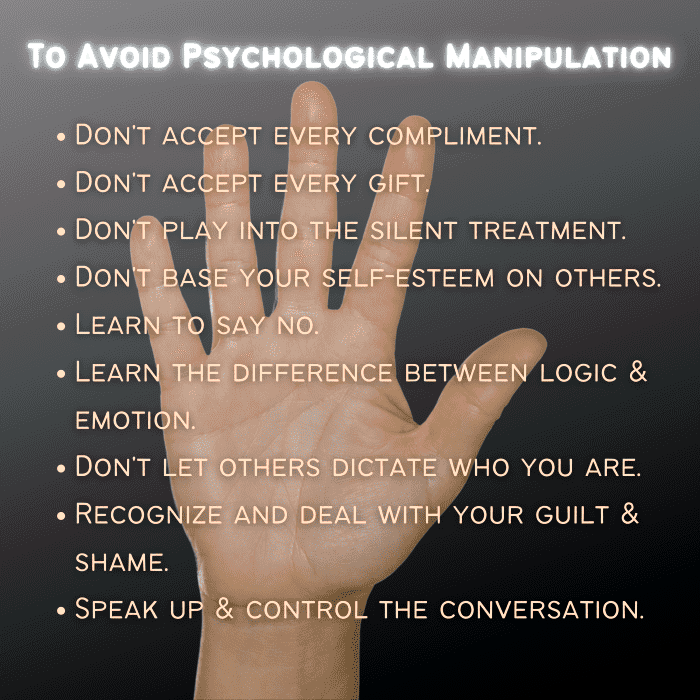
6. Ways to Improve Self-Perception
When talking about temptation, it is important to understand that self-perception is particularly important. How can we improve self-perception and positively influence the brain? Here are some simple ways that can help:
1. Focus on Your Values and Abilities: It is important to understand what unique values and abilities you have and focus on them. This will help you feel confident and meaningful and influence your self-perception.
2. Practice Quiet and Reflection: Try to perform quiet and reflective practices to better understand yourself and your thoughts. This will help you understand what triggers temptation and how you can improve your self-perception.
3. Practice Optimism: Try to see the positive side in every situation and focus on your successes. This will help you feel more confident and optimistic and positively influence your self-perception.
4. Support and Love: It is important to surround yourself with support and love. This will help you feel calm and confident and positively influence your self-perception.
With these methods, you can significantly improve your self-perception and positively influence your brain. The more aware we become of the psychological processes of temptation, the more we can harness them more efficiently and achieve the results we desire. Every individual can improve their self-perception and positively influence the brain, they just need to dedicate time and effort to this process.